Archives
- 2026-08
- 2026-07
- 2026-06
- 2026-05
- 2026-04
- 2026-03
- 2026-02
- 2026-01
- 2025-12
- 2025-11
- 2025-10
- 2025-09
- 2025-03
- 2025-02
- 2025-01
- 2024-12
- 2024-11
- 2024-10
- 2024-09
- 2024-08
- 2024-07
- 2024-06
- 2024-05
- 2024-04
- 2024-03
- 2024-02
- 2024-01
- 2023-12
- 2023-11
- 2023-10
- 2023-09
- 2023-08
- 2023-06
- 2023-05
- 2023-04
- 2023-03
- 2023-02
- 2023-01
- 2022-12
- 2022-11
- 2022-10
- 2022-09
- 2022-08
- 2022-07
- 2022-06
- 2022-05
- 2022-04
- 2022-03
- 2022-02
- 2022-01
- 2021-12
- 2021-11
- 2021-10
- 2021-09
- 2021-08
- 2021-07
- 2021-06
- 2021-05
- 2021-04
- 2021-03
- 2021-02
- 2021-01
- 2020-12
- 2020-11
- 2020-10
- 2020-09
- 2020-08
- 2020-07
- 2020-06
- 2020-05
- 2020-04
- 2020-03
- 2020-02
- 2020-01
- 2019-12
- 2019-11
- 2019-10
- 2019-09
- 2019-08
- 2018-07
-
Several of the plant extracts that showed interaction with E
2020-05-06
Several of the plant extracts that showed interaction with ERα and ERβ have differing reports concerning estrogenicity and receptor binding. Extracts of dong quai stimulated MCF-7 proliferation but failed to increase uterine weight or transactivate either ERα or ERβ in a cell assay (Amato et al., 20
-
Itch also known as astrophin interacting protein
2020-05-06

Itch, also known as astrophin-1 interacting protein-4 (AIP4), is a HECT domain-E3 ligase. It was discovered in 1998 in mouse coat color genetic studies which displayed the disruption caused by the Itch gene inducing a lethal autoimmune inflammatory condition. The substrates of Itch are transmembrane
-
In the case of ionic liquids the association scheme should
2020-05-05
In the case of ionic liquids, the association scheme should be determined and considered for calculations. H. Soltani Panah (2017) suggested the 2B scheme for the imidazolium-based ionic liquids. His speculation has been used in this study for the modeling [22]. Considering 2B association scheme, th
-
Although the control group and tinnitus group do
2020-05-05
Although the control group and tinnitus group do not significantly differ based on age, gender or hearing loss, a limitation of this study is that the control group is only group-matched, and not individually matched. Furthermore, we only tested hearing acuity in tinnitus patients via standard pure
-
ROS generation is crucial for NETs
2020-05-05
ROS generation is crucial for NETs release upon both physiological or pathogenic stimuli [16,30]. In our study, we further verified this conclusion by demonstrating that SRA stimulation by Poly I enhanced intracellular ROS levels while scavenging of ROS by anti-oxidant agents effectively abolished t
-
cAMP mediated signaling pathways are important for maintaini
2020-05-05

cAMP-mediated signaling pathways are important for maintaining metabolic homeostasis, and the effects of the glucagon/catecholamine–cAMP–PKA axis on energy balance have been well documented [20]. For example, d ap5 australia of the PKA 2β regulatory subunit (RIIβ) in mice leads to increased express
-
Acidosis has lethal consequences but alkalosis due to chlori
2020-05-05
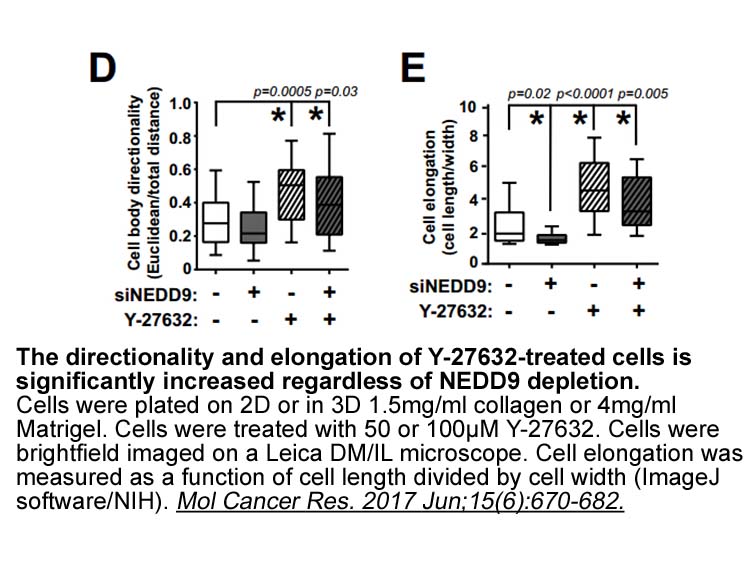
Acidosis has lethal consequences, but alkalosis (due to chloride depletion, potassium depletion, and excess mineralocorticoid) is not tolerated as well (Luke and Galla, 2012). In this regard, efforts to restore pH to normal physiological level, in the most benign way should be the goal of researcher
-
There exists a glucose residue in
2020-05-05
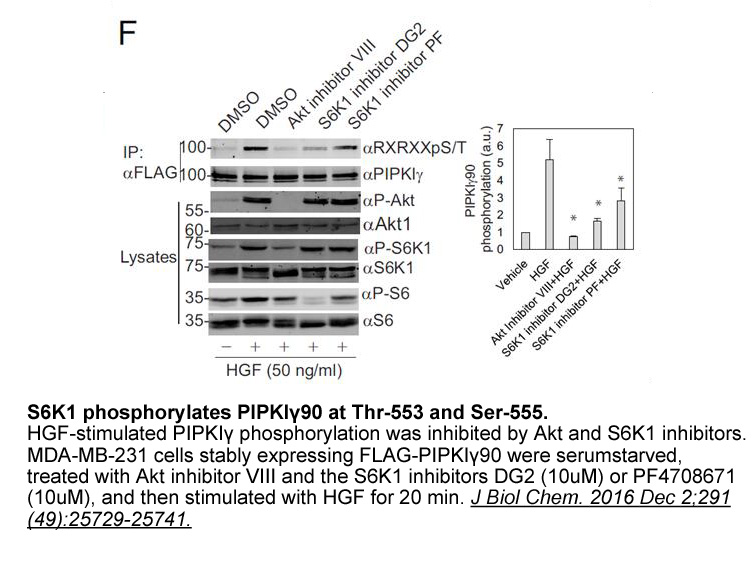
There exists a glucose residue in the structure of 5. Acid hydrolysis (Supplementary data) followed by TLC comparison with the reference compound as well as GC–MS analysis (l-cysteine methyl ester hydrochloride derivative: tR=22.22min for glucose residue of 5 and 22.46min for the reference compound)
-
notch pathway In recent years the use of liquid chromatograp
2020-05-05
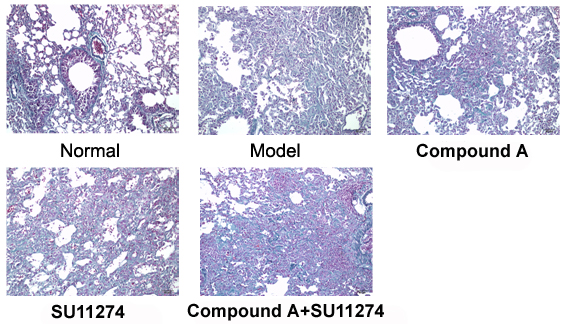
In recent years, the use of liquid chromatography/tandem mass spectrometry (LC–MS/MS) has become a preferred approach to measure drugs and metabolites in biological fluids due to its very high selectivity and sensitivity [17], [18], [19], [20], [21], [22], [23], [25], [30]. The great sensitivity of
-
br Analytical improvements Since our review of Oxysterol Met
2020-05-05
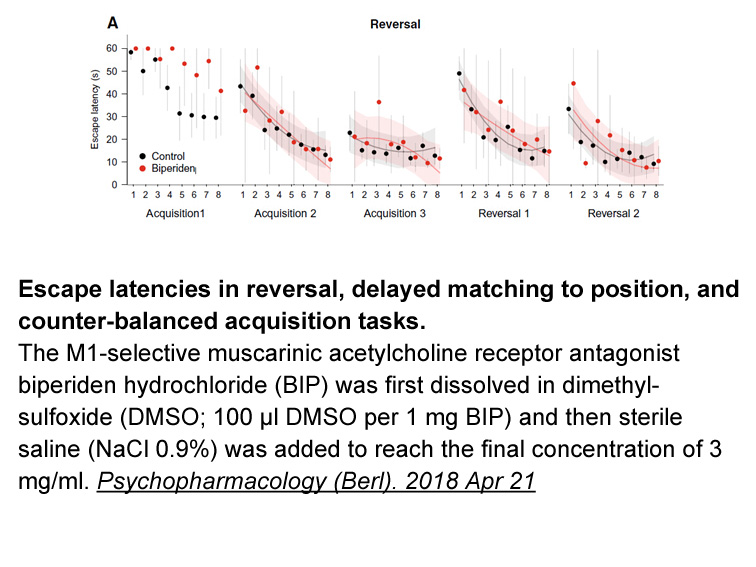
Analytical improvements Since our review of “Oxysterol Metabolomes” in 2011 [7], there have been a number of improvements in analytical methods for the analysis of oxysterols and related compounds. McDonald and colleagues in Dallas have refined their LC-MS methods which are now applicable for ana
-
polycomb repressive complex Main Text Post translational mod
2020-05-05
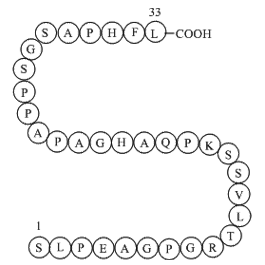
Main Text Post-translational modifications by ubiquitin (Ub) and ubiquitin-like proteins (Ubl) regulate a diverse array of cellular and physiological processes including protein degradation, localization, and activation. While ubiquitination has primary responsibility for targeting substrates for p
-
br Concluding remarks br Transparency document br Acknowledg
2020-05-05
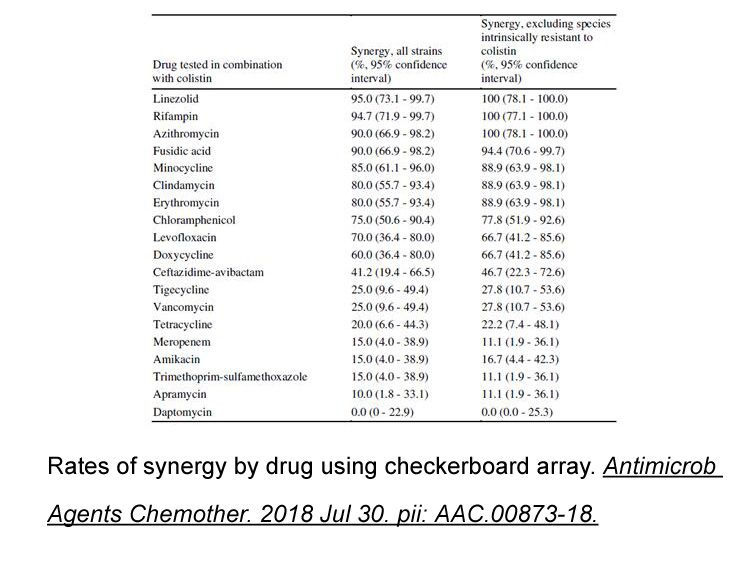
Concluding remarks Transparency document Acknowledgements Research reported in this publication was supported by the National Cancer Institute of the National Institutes of Health under award number P30CA033572 (RS). The content is solely the responsibility of the authors and does not neces
-
br Acknowledgments This research was
2020-04-30
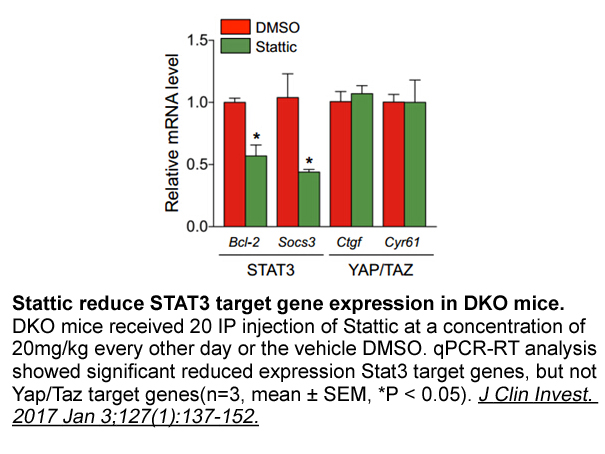
Acknowledgments This research was supported by grants from the Ministerio de Ciencia e Innovación (Grants SAF/FEDER 2010-17907; 2013-49076-P), Spain, Red de trastornos adictivos (RETICS RD12/0028//0003, Instituto de Salud Carlos III, Spain) and Fundación Séneca (15405/PI/10, Región de Murcia, Spa
-
In this study new and
2020-04-30
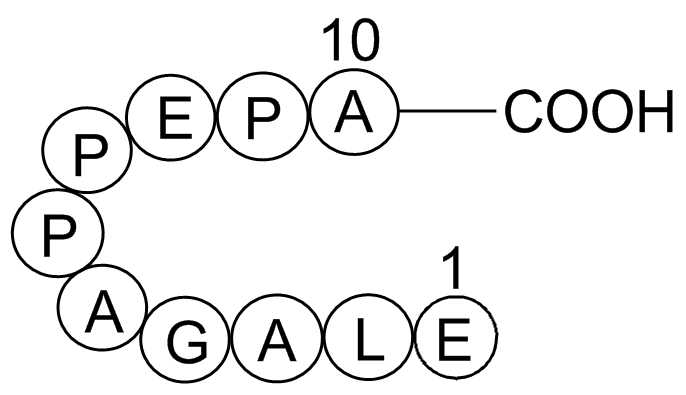
In this study, new and more extended tables of parameters were estimated for pure fluids and binary mixtures that are relevant to biodiesel systems. Also, calculations for glyceride systems will be shown, which is a topic not investigated before with the CPA model. As before [21], [22], [23], [24],
-
The radial distribution function is given by For pure
2020-04-30
The radial distribution function, , is given by: For pure components and pseudo-components, the constants a and b are calculated as:whereand Tc, Pc and ω are the critical temperature, critical pressure and acentric factor, respectively. Parameters a and b for mixtures are calculated from those of
14688 records 857/980 page Previous Next First page 上5页 856857858859860 下5页 Last page